
BSNL Satellite Phone, including its price, features, how satellite communication works, who can use it, and why it could change connectivity in remote parts of India.
BSNL Satellite Phone: Breaking Down Features, Price, and Its Impact on Connectivity in India
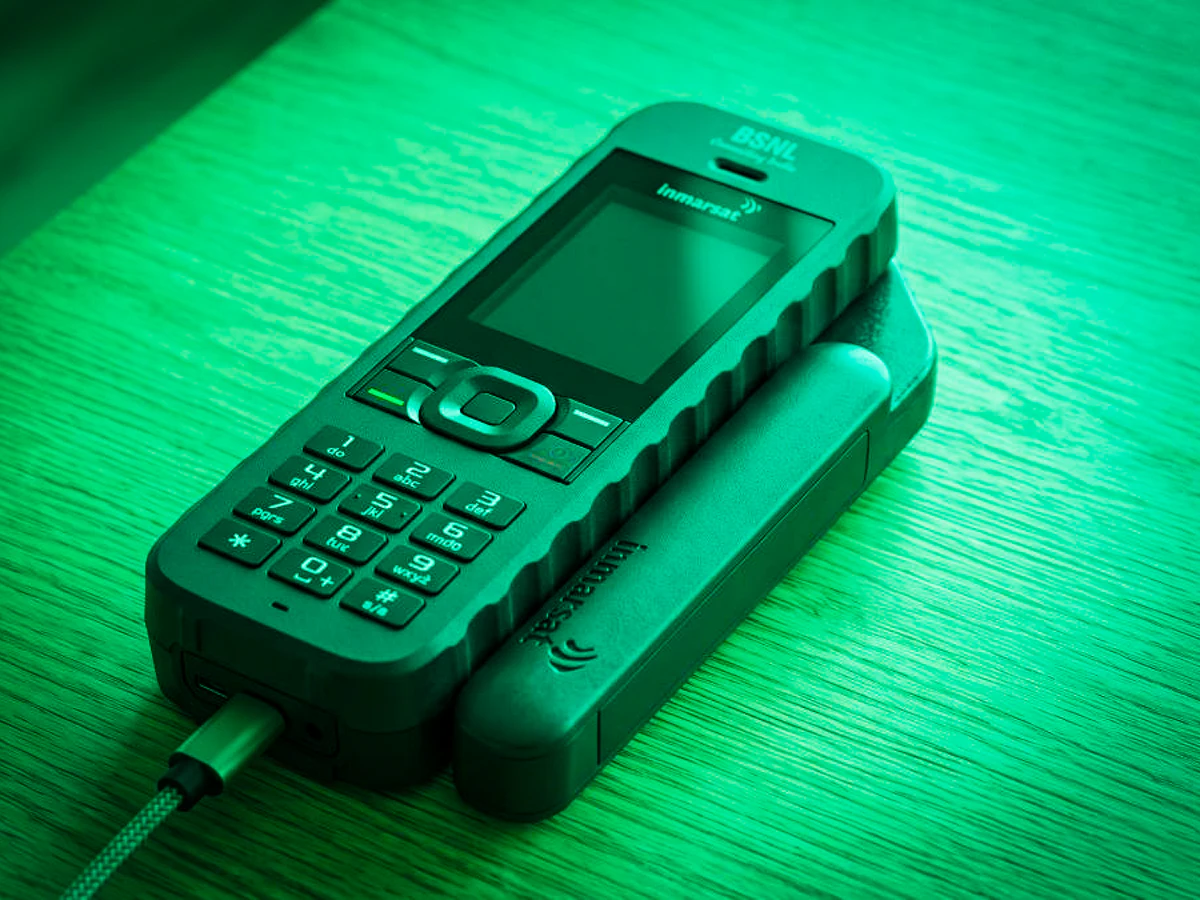
India’s telecom story is changing with BSNL’s launch of their satellite phone. Here’s the big idea: unlike your regular phone, which needs a nearby cell tower to make calls, a satellite phone connects straight to satellites zipping around the planet. This means you can communicate from places where mobile signals are usually just a dream.
Who’s excited? Travellers, rescue teams, sailors, and anyone who likes pushing past the boundaries of network coverage. Let’s get into what the BSNL Satellite Phone actually does, its main features, how much it costs, and how it could change the way people stay connected—especially in the toughest spots in India.
So, What Exactly Is the BSNL Satellite Phone?
It’s a device designed for one purpose: to make sure you can talk to people—no matter how remote or rugged your location. Instead of pinging off local mobile towers, the BSNL Satellite Phone taps straight into satellite networks.
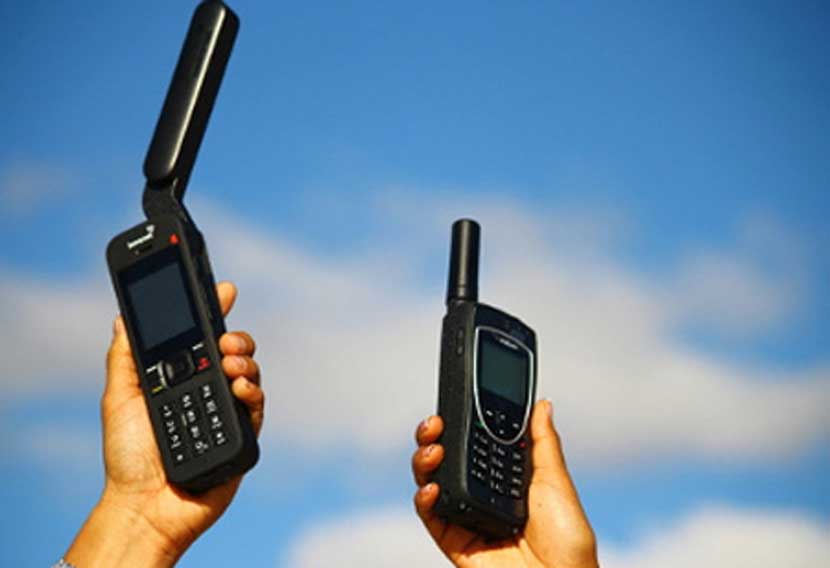
Why does that matter? Think of:
– Mountains where cell towers haven’t reached
– Dense forests
– Ships or oil rigs way out at sea
– Remote villages and border posts
– Disaster zones where everything else has failed
BSNL’s model, which sells for about ₹1.34 lakh, isn’t something you’ll see in everyone’s back pocket. It’s built for people who can’t afford missed calls in critical situations.
How Does It Actually Work?
A regular smartphone talks to the closest tower. A BSNL Satellite Phone does something different:
– Your call goes up to a satellite floating above you.
– The satellite shoots that signal down to a ground station.
– The ground station connects you to the person you’re calling.
Since satellites cover huge areas, your chances of dropping a call in the wilderness drop dramatically.
Main Features
BSNL didn’t build this as an all-in-one entertainment and social machine. It’s pretty focused. Here’s what stands out:
– Voice calls almost anywhere
– Works independently of cell towers
– Vital during emergencies
– Especially useful at sea, in disaster response, or for anyone deep in the wild
Who Gains the Most?
Let’s be honest: Most of us won’t need a satellite phone every day. But for some, it’s a game-changer.
– Adventurers and trekkers: Imagine calling home from a half-frozen mountain pass.
– Rescue and disaster teams: They don’t have time to search for a signal when things go wrong.
– Sailors: Out at sea, cell towers just aren’t an option.
– Government, military, and emergency services: Missions and operations demand reliable, always-on communication.
How Does It Compare to a Standard Smartphone?
How Is It Different from a Regular Smartphone?
| Feature | Regular Smartphone | BSNL Satellite Phone |
|---|---|---|
| Mobile Tower Required | Yes | No |
| Satellite Connectivity | No | Yes |
| Remote Area Coverage | Limited | Excellent |
| Emergency Communication | Network-dependent | Available in remote areas |
| Primary Use | Everyday communication | Specialized communication |
What’s BSNL’s Bigger Goal Here?
By rolling out direct-to-device satellite services (in partnership with Viasat), BSNL wants to reach the places where cell towers simply can’t go. This is just the first step toward a future where satellite and mobile networks support each other, so even the remotest corners of the country don’t fall off the map.
Why the High Price?
Satellite tech isn’t cheap. You’re paying for:
– High-end equipment that works in harsh conditions
– Access to expensive satellite networks
– Small production runs
– The fact that it fills mission-critical gaps
It’s not here to compete with your average Android smartphone—and it’s not priced that way.
Are Satellite Phones the Next Big Thing for Everyone?
Probably not. While a few high-end smartphones are adding basic satellite messaging for emergencies, true satellite phones offer way more. They’re for people who regularly step outside cell coverage, not for scrolling through Instagram.
Still, as satellite communication gets better, we’ll see more gadgets that combine regular cell coverage with satellite backup.
Does This Affect Android Users Right Now?
Not for most of us. For everyday use, the BSNL Satellite Phone won’t replace your standard smartphone. But the bigger story is clear: India’s focus on better coverage and satellite help means emergency communications and remote access are going to improve. Down the road, you might even see your Android phone seamlessly jumping between cell signals and satellites.
Conclusion
BSNL’s Satellite Phone marks a big step forward for India’s connectivity. It’s not for everyone, but it proves that technology is reaching places where “no signal” has always been the norm. For adventurers, seafarers, disaster teams, and people working far from city lights, it’s a lifeline worth knowing about.
Want to keep up with new phones, tech breakthroughs, and Android updates? Stick with AndroidPorts.com—we’re on it.
Frequently Asked Questions
1. What is the BSNL Satellite Phone?
It’s a satellite communication device that lets you make calls where mobile networks don’t exist.
2. How much does it cost?
BSNL’s device is priced around ₹1.34 lakh, though the actual cost and plans can change.
3. Does it need a mobile tower?
Nope. It connects directly to satellites overhead.
4. Can everyone buy one?
It’s mainly for organizations and professionals who work in remote or emergency situations.
5. Can it browse the internet like my regular phone?
Calling is the main function. Internet access varies, depending on the service and device.
6. Is it useful for trekking?
Absolutely. Perfect for remote regions with zero phone coverage.
7. Will satellite phones replace Android smartphones?
No—they’re made for different users and scenarios.
8. What’s BSNL Direct-to-Device technology about?
It’s an initiative to enable compatible devices to connect to satellites whenever regular network coverage isn’t an option.
9. Is satellite service available everywhere in India?
The goal is better remote coverage, but how much you get depends on service plans and regulations.
10. Where can I get more tech news and Android tips?
Head over to AndroidPorts.com for updates, guides, and the latest news.
Leave a Comment